HOW WE CAN SUPPORT YOU
The right pathway begins
with the right question.
Attention, relationships, school and emotions often overlap. The first step is understanding which needs matter most, without rushing to a label.
ATTENTION & SELF-REGULATION
Attention and ADHD
Frequent distraction does not automatically mean ADHD. Assessment considers developmental history and difficulties across different settings, involving parents and, with consent, school. Support may include organisational strategies, environmental adjustments and parent training. Clinical decisions require appropriately qualified professionals.
- Understanding everyday difficulties
- Organisation, routines and executive skills
- Collaboration between family and school

COMMUNICATION & CONNECTION
Autism and development
Every autistic child has their own interests, strengths and needs. Support begins with that individuality: accessible communication, shared play, predictable routines and attention to sensory needs. Goals focus on wellbeing and participation in daily life, rather than changing a child’s identity.
- Communication and shared play
- Everyday independence and participation
- More accessible environments and routines
LEARNING & CONFIDENCE
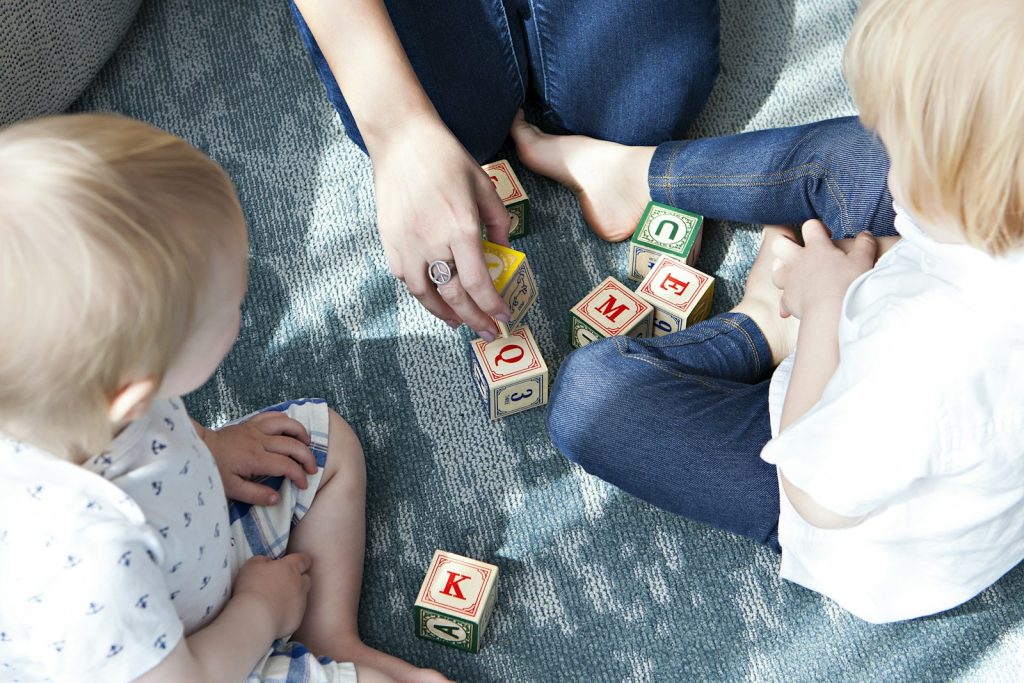
Learning difficulties
Reading, writing, mathematics and study skills may need specific support. Exploring learning difficulties helps identify individual needs and appropriate tools. Formal certification of specific learning disorders in Italy requires the relevant assessment process and authorised professionals; learning support is not itself a diagnostic certification.
- Exploring school-related challenges
- Study strategies and supportive tools
- Working with parents and teachers
EMOTIONS & WELLBEING
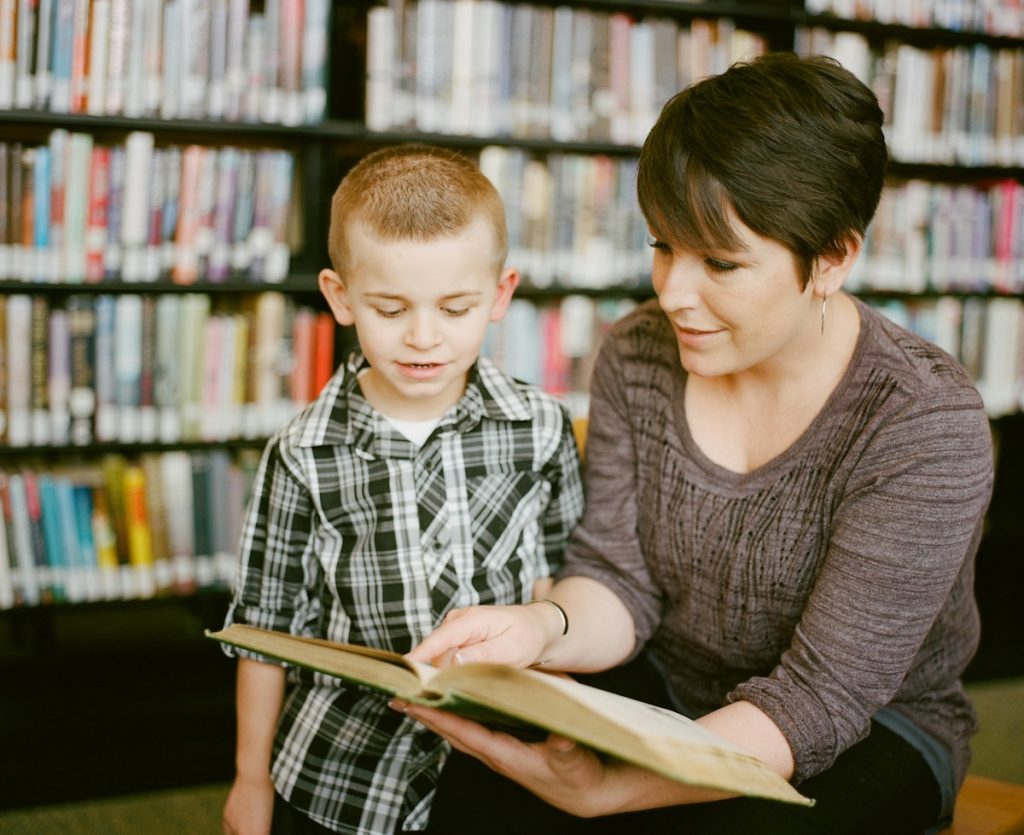
Emotions and behaviour
Intense emotions can make sleep, relationships and school more difficult. A listening space can help explore what is happening, recognise signs of overload and identify more helpful responses. Working with parents supports continuity between sessions and everyday family life.
- Recognising emotions and needs
- Navigating frustration and change
- Supporting the parent–child relationship

LANGUAGE & EXPRESSION
Language and communication
When speaking, understanding words or communicating needs is difficult, a speech and language assessment may help guide support. Goals should reflect age and individual needs, including alternative communication where appropriate. Family involvement helps make strategies useful in real-life settings.
- Understanding and expression
- Functional communication
- Strategies shared with the family
TECHNOLOGY & AWARENESS
Neurofeedback and biofeedback
Neurofeedback uses EEG signals with visual or audio feedback during learning exercises. Sensors record the brain’s electrical activity without delivering electrical current. Effectiveness depends on the indication and protocol; evidence does not support it as a stand-alone ADHD treatment. It is not a cure for autism or bipolar disorder and does not replace assessment or specialist-recommended treatment.
- Assessing suitability before starting
- Explicit goals and ongoing review
- Discussing evidence, costs and alternatives
PARENTS & EVERYDAY SETTINGS
Support for parents, too
Supporting a child can bring questions and uncertainty. Parenting support and parent training help families understand daily situations, build manageable routines and strengthen what already works. Liaison with school, where authorised, makes it possible to share strategies and realistic goals.
- Parent consultations and support
- Routines and parenting strategies
- School liaison with consent
SPECIALIST ASSESSMENT
Mood and bipolar disorder
Bipolar disorder is not the same as ordinary mood swings. In children and adolescents, suspected bipolar disorder requires specialist child and adolescent mental health assessment and observation over time. This area focuses on appropriate referral and family support, rather than offering neurofeedback as a treatment for bipolar disorder.
- Referral to an appropriate specialist
- Understanding history and context
- Continuity with existing care providers
ADULTS & OLDER PEOPLE
Care across
other stages of life, too.
Our focus is children and families. For adults and older people, concerns about memory, attention or independence require dedicated assessment and referral to appropriate services when needed.
Book an appointmentOne small first step.
A new possibility.
A space for your questions. A starting point for your family.